
The conversation around AI search has generated a lot of heat and not always much light.
On one side, you have people declaring SEO dead. On the other, you have SEO practitioners insisting nothing has fundamentally changed.
Both are wrong, and the gap between them is where most brands are currently making poor decisions.
The honest answer is more nuanced: some things have changed significantly, some things haven’t changed at all, and understanding which is which is what separates brands that are adapting well from those that are either panicking or sleepwalking.
What traditional SEO has always been about
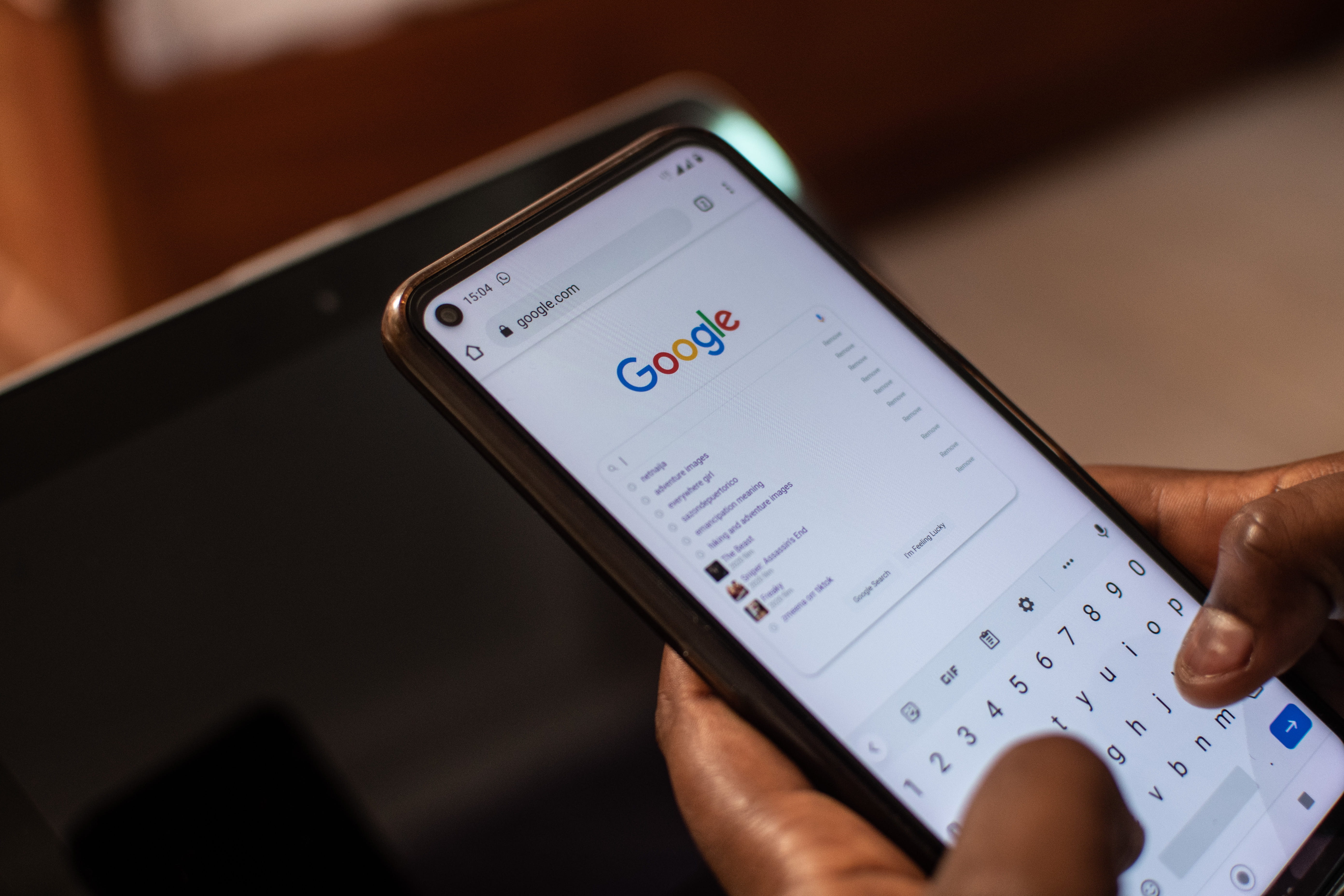
Google’s search algorithm has evolved considerably since its early days, but the underlying logic has remained consistent. It looks at three broad things: the relevance of your content to a search query, the authority of your website as established by the links pointing to it, and the technical quality of your site as a platform for users.
Keywords tell Google what your page is about. Backlinks tell it how trusted and established you are. Technical health tells it whether your site is worth serving to users at all.
Rank well across those three dimensions and you appear high in the results. Users see a list of options, choose one, and visit your site. Your job is to be visible enough to be chosen.
That model has worked well for twenty-five years. It still works. But it’s no longer the only game in play.
What AI search actually does differently
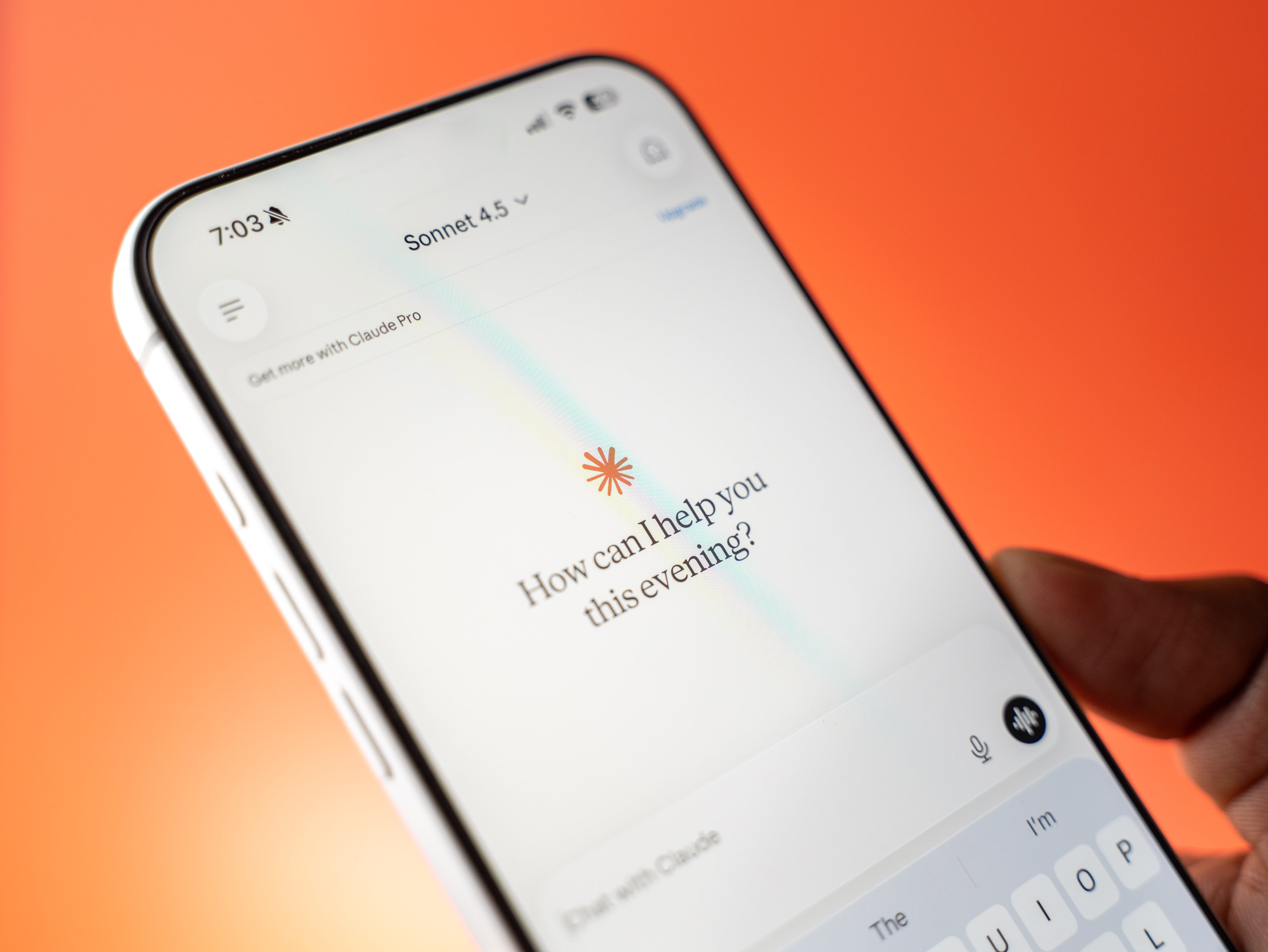
When someone asks ChatGPT, Perplexity, or Google’s AI Overview a question, they’re not getting a list of results to browse. They’re getting a synthesised answer — one that draws on multiple sources, applies judgement about what’s credible and current, and delivers a conclusion.
The shift this creates is fundamental. In traditional search, your goal is to appear as an option. In AI search, your goal is to be incorporated into the answer.
The factors that drive that are different in three important ways.
1. Entity recognition over keyword matching. Traditional SEO asks whether your page contains the right keywords. AI search asks whether your brand is a recognised, well-defined entity in the model’s understanding of your market. That recognition comes from consistency — the same brand, described in the same terms, appearing across multiple credible sources. A company that exists only on its own website is not well-recognised. A company with a coherent presence across LinkedIn, trade press, third-party directories, and structured web data is.
2. Language intent over query matching. Google has moved considerably towards intent-based understanding, but AI systems go further. They’re not matching words — they’re understanding what the person actually wants to know and constructing the most useful response to that underlying need. Content that answers a genuine question directly is weighted far more heavily than content that is built around keyword frequency.
3. Third-party citations over domain authority. Backlinks remain relevant in traditional SEO. In AI search, what matters more is whether credible third parties describe your brand, reference your expertise, and treat you as an authority. That might mean press coverage, industry association mentions, review platforms, analyst reports, or thought leadership shared and cited by others. The signal is less about the link itself and more about the endorsement it represents.
What hasn’t changed
Quality content remains the foundation. This is the thing that most of the “SEO is dead” commentary misses.
AI systems are trained on enormous volumes of human-written text. They have learned, at scale, what genuinely useful content looks like versus what thin, over-optimised, or derivative content looks like. The brands that produce content with real depth, a clear point of view, and genuine usefulness to their audience are the ones that both traditional SEO and AI search reward.
Domain authority, earned through consistent publishing and external recognition over time, still matters. A brand that has been building its reputation for ten years starts from a stronger position than one that launched last month, regardless of how well-optimised its pages are.
And relevance matters. No amount of structural optimisation will make an AI cite you as an authority on commercial insurance if your brand has nothing substantive to say about it.
What has changed — and needs to change in how you approach it
Content structure Traditional SEO tolerates a certain amount of preamble and discursiveness. AI systems do not. They extract answers from content that is clearly organised, leads with the key point, and uses headers that describe what each section actually contains. Most B2B websites need meaningful restructuring to perform well in AI search — not because the content is bad, but because it is structured for a human browsing experience rather than machine extraction.
Schema and structured data. This has always been good practice. In 2026 it is becoming close to essential. Structured data helps AI systems understand not just what your content says but what it means — who wrote it, what organisation it represents, what claim it is making, what evidence supports it.
Answer engine optimisation as a discipline. AEO is not a replacement for SEO. It is an additional layer of strategy that asks: are we building our brand and our content in a way that AI systems can recognise, trust, and cite? That question requires a different kind of audit, a different content brief, and a different set of performance metrics than traditional search.
The practical takeaway
That requires a more joined-up approach to content strategy, digital PR, and technical implementation than most brands currently have. It also represents a clear point of competitive advantage for those that get there first.
If you want to understand where your brand currently stands across both dimensions — and what a joined-up strategy would look like — that’s exactly the conversation we have with ambitious brands.
Talk to Fireworx about SEO and AI search strategy
Email: ideas@fwx.co.uk or even better talk to a human on: 01202 559 559