
Read this before you approve anything else this month.
That isn’t a guess. In 2021, Professor John Dawes of the Ehrenberg-Bass Institute, working with LinkedIn’s B2B Institute, described what’s now called the 95:5 rule. At any given moment, only around 5% of your potential B2B buyers are ready to buy. The other 95% won’t buy for months, often years. Dawes is clear the exact figure varies by category and buying cycle. The principle holds.
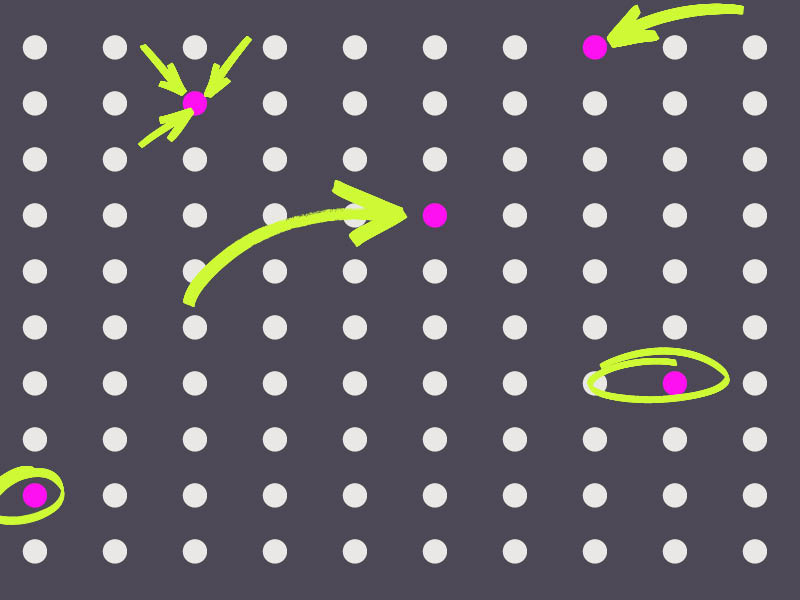
Now look at where most B2B marketing budgets go. Search ads. Retargeting. Lead gen. Intent data. All aimed at the 5%. So is every competitor’s.
That’s why the same spend buys fewer results every year. Why cost per lead keeps climbing. Why the board keeps asking what’s gone wrong.
You can’t push a buyer into market. They arrive when their need does: a contract ends, a regulation lands, something breaks. What you can do is make sure your name is already in their head when that moment comes. As Jenni Romaniuk of Ehrenberg-Bass puts it, you catch buyers as they fall.
Most B2B businesses aren’t doing that. And AI has just made ignoring the 95% far more expensive. Here’s how B2B marketing got here, what’s changed, and twelve things leaders need to act on.
How B2B marketing got here
For most of marketing’s history, growth came from fame. Big ideas. Memorable brands. Being the name people thought of first.
Then, around the turn of the millennium, Google gave us a shortcut. You no longer had to be famous. You just had to be there when someone searched. Bid on the keyword, catch the buyer, count the clicks.
It was measurable, and boards loved it. Over two decades, B2B marketing reorganised itself around performance: SEO, paid search, gated content and lead generation. Brand became the thing you did if there was money left over.
That model worked. It also made marketing smaller. If it couldn’t be measured, it didn’t count. And quietly, B2B forgot how to make people remember things.

What’s changed
AI has broken the performance model in four ways.
Buyers research inside AI. ChatGPT reached 100 million users in two months, faster than any consumer app before it. Forrester found 89% of B2B buyers had adopted generative AI in their buying process, and 6sense puts it at 94%. Buyers still start with a few names in mind and still finish on your website. The middle, the research and the shortlist, now happens inside AI.
Fewer people click. SparkToro found 68% of US Google searches now end without a click. First Page Sage’s 2026 study puts the organic traffic loss for B2B SaaS at 29%. When the answer sits on the results page, nobody needs to visit yours.
The lead machine is running dry. B2B content marketing ran on a simple deal: give us your email and we’ll give you our insight. AI has made that insight available elsewhere. Factors.ai’s analysis of over 100 B2B marketing teams found median webinar registrations down 42%.
Costs are rising. When organic and gated content slow down, budgets flood into paid search, the one channel that still looks measurable. More money chases the same buyers in the same auction. Benchmarkit’s data shows the median B2B SaaS company now spends $2 in sales and marketing to win $1 of new ARR.

Why brand building is now a commercial decision
Byron Sharp’s How Brands Grow shows that growth needs two things. Mental availability: being remembered when the need arrives. Physical availability: being easy to find and buy.
Paid search is physical availability. It’s shelf space. It’s useful, but it doesn’t make anyone remember you. Most B2B brands have spent fifteen years buying shelf and very little memory.
Les Binet and Peter Field’s research for the B2B Institute suggests B2B growth is best served by something close to an even split between brand building and activation, about 46:54. Most B2B businesses are nowhere near that.
Then there’s AI. The things that make a brand memorable to people are the same things that make it visible to AI. Models learn which names sit next to which ideas across the web. When they search live, they read reviews, press, forums and LinkedIn, not just your website. A clear, consistent, well-talked-about brand gets recommended. A bland one gets blended into the category.
Brand building used to be the nice-to-have. It’s now how you get onto the shortlist.
12 things to act on
1: Rebalance the budget. Look honestly at how much goes to the 5% versus the 95%. If almost everything is activation, you’re renting attention and building nothing.
2: Own one clear position. “Full service” and “trusted partner” are invisible to buyers and to AI. Pick the thing you’re genuinely best at, for a specific buyer, and own it. Being “the best” isn’t a strategy.
3: Find your moments of need. Every purchase starts with a trigger. Use AI to analyse your sales call transcripts and pull out what buyers were worried about before they called. That’s your brief.
4: Banish bland. Look at your category’s colours, language and imagery. If everyone looks the same, go the other way. Distinctiveness is what makes a brand stick.
5: Name your ideas. HubSpot didn’t just do content marketing, they called it inbound and owned the word. A named, original idea gives people and models something new to remember you by.
6: Say it the same way everywhere. Your website, LinkedIn, Google profile, directory listings and press releases should describe you in the same words. Inconsistency confuses buyers and AI alike.
7: Earn proof beyond your own site. Reviews, case studies on client sites, trade press, podcasts and partner pages carry more weight than anything you publish yourself.
8: Check if you’re in the answer. Ask ChatGPT, Gemini and Copilot the questions your buyers ask. See who gets recommended and which sources are cited. Then get into those sources.
9: Ungate your best thinking. AI can’t cite a PDF behind a form. Put your name on your ideas and put them where buyers and models can find them.
10: Change the scorecard. Track share of search, share of voice and share of model on the brand side, with pipeline, revenue, win rate and deal size on the commercial side. Stop leading with organic traffic, MQL volume and last click.
11: Join up your data. Connect CRM and marketing data so you can see what actually turns into revenue, not just what generates form fills.
12: Give it time. Binet and Field are clear that brand effects take six months or more to show in sales. Agree the brand measures with the board upfront, so the investment isn’t cut just before it starts to work.

Five questions to ask your marketing team on Monday
1: What percentage of our budget reaches buyers who aren’t in market yet?
2: Could a buyer describe what we stand for in one sentence?
3: When someone asks AI for suppliers like us, do we come up?
4: Do we describe ourselves the same way everywhere?
5: Which of our metrics actually predict revenue?
If the answers make you uncomfortable, that’s a good sign. It means you’ve spotted the shift before your competitors.
The bottom line
The performance era rewarded whoever had the biggest budget and the cleverest bid strategy. The AI era rewards whoever has something worth remembering.
AI changes how buyers search. Underneath, it changes nothing at all. Be distinctive. Be consistent. Be remembered.
The optimisation era taught us to be found. The AI era asks us to be worth finding.
The FWX Growth Framework helps B2B leaders rebalance for this shift, from position to scorecard. If you’d like to see where your brand stands, including how often AI recommends you, get in touch.